









By Rock Ronald Rozario
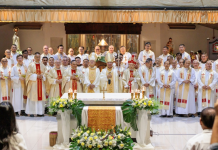
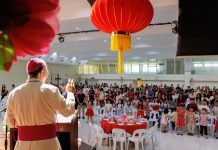
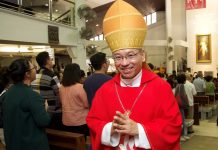
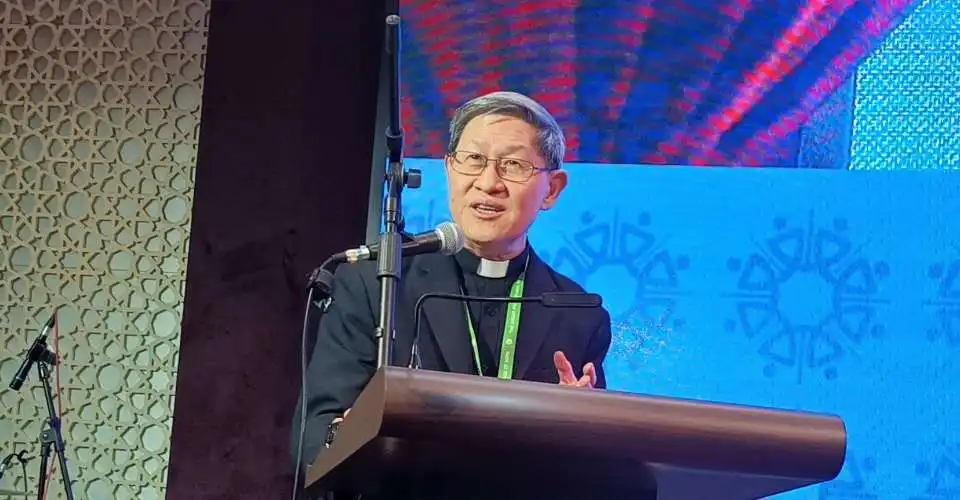
PENANG — Asian Catholics need to become “authentic Catholic pilgrims” who embody the humility, hope, and openness of the biblical Magi, Cardinal Luis Antonio Tagle told delegates at a major continental gathering of Catholics on Nov. 27.
“To become authentic pilgrims of hope, we should be bearers of the story of Jesus,” Tagle said in his keynote address at The Great Pilgrimage of Hope, which opened in Penang.
“Through our Christian speech, actions, relationships, and persons, we become the living stories of hope in Jesus.”
Tagle, Pro-Prefect of the Section for New Evangelization and New Particular Churches at the Vatican’s Dicastery for Evangelization, urged Catholics to reject the “stagnant, power-hungry and self-serving mindset” represented by King Herod in Scripture.
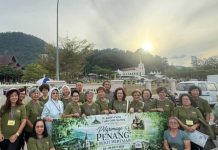
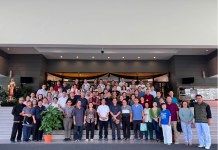
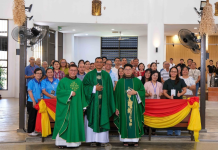
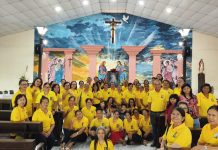
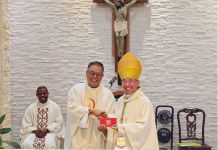
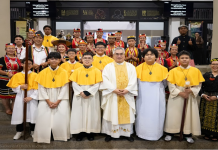
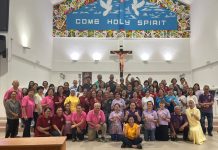
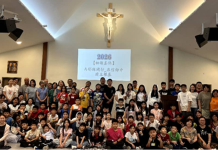
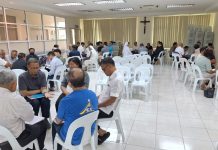
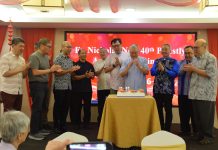
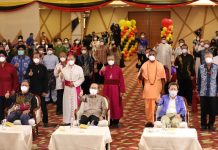
About 800 delegates from more than 30 countries are attending the Nov. 27–30 Asian Mission Congress, the second such gathering after the 2006 event in Chiang Mai, Thailand.
The event is organized by the Federation of Asian Bishops’ Conferences Office of Evangelization, in collaboration with the Pontifical Mission Societies, and hosted by the Diocese of Penang.
Tagle remembered speaking at the first congress nearly twenty years ago, saying he was “nervous then, and maybe more nervous now,” but emphasized that the mission of “telling the story of Jesus in Asia” stays the same.
Jesus, he said, is both “the storyteller and the story” who transforms lives and communities.
He said the story of Jesus cannot be separated from the contrasting figures of the Magi and Herod, calling on Asian Christians to follow the Magi’s example by “going a different way as pilgrims of hope.”
Christian hope, he emphasized, is not wishful thinking or a way to escape hardship but a “theological virtue infused by God’s grace.”“Because God in Jesus is both its origin and its goal, hope is deeply human and humanizing,” he said, adding that true love flows from hope that “purifies selfishness.”
Tagle described the Magi’s journey as “a classic story of hope and perseverance” that continues to inspire people across cultures. Catholics today, he said, must exercise “discernment, patience, and clarity of goal” as they choose between two paths: a pilgrimage with Jesus or one without him — “a pilgrimage of hope or a pilgrimage of despair.”
While the Magi traveled with openness and hope, Herod was driven by fear of losing his power, which led him to commit atrocities. “His journey was to himself — no movement,” Tagle said. “This stagnation, slow corruption leads towards death.”
He warned that gifts and talents are “wasted when they are not used for the purpose for which they were given,” and asked delegates whether they seek the guiding “stars” like the Magi or remain confined within a “convenient world.”
Humility, he said, is essential, recalling that the Magi found Jesus not in “dazzling Jerusalem” but in humble Bethlehem.
“True wisdom does not reside in those who pretend to know everything,” he said, but in people who listen, consult, and accept their limitations.
“When we let go of our ‘illusionary Jerusalem,’ we can follow the star toward Bethlehem and Jesus,” Tagle said. “We need more Magi, fewer Herods — fellow pilgrims in our world.”