






By Linda Bordoni
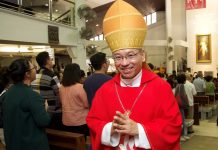
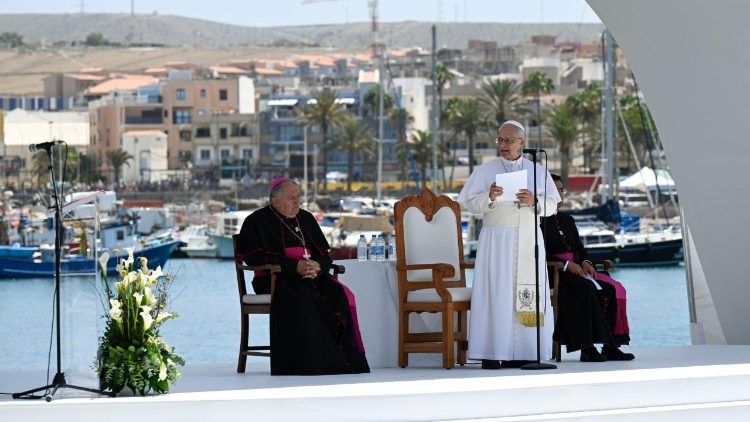
SPAIN — Standing on the docks of Arguineguín, a port on the southern coast of Gran Canaria that has become one of Europe’s most poignant symbols of migration, Pope Leo XIV on Thursday issued an urgent appeal for compassion, responsibility and solidarity, insisting that “human dignity has no passport and does not lose its value when crossing a border.”
On the sixth day of his Apostolic Journey to Spain, the Pope met with migrants and the organisations that rescue, welcome and accompany them along one of the world’s deadliest migration routes.
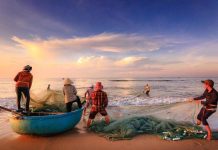
The gathering took place at the so-called “Port of Shame,” where in 2020, thousands of migrants arrived within days as the COVID-19 pandemic unfolded. For many fleeing poverty, conflict and exploitation in West Africa, the Canary Islands represent the nearest gateway to Europe, reached after perilous journeys across the Atlantic in overcrowded wooden boats.
Against the backdrop of the harbour and the Atlantic Ocean, Pope Leo listened to testimonies from a maritime rescuer, a Caritas volunteer, a survivor of human trafficking, and a migrant entrepreneur who rebuilt her life after years of hardship.
“The Gospel becomes concrete”
Reflecting on the Gospel passage of Matthew 25, the Pope said the Word of God takes on flesh in places such as Arguineguín, where people arrive “stripped of almost everything, but never of their dignity.”
“Here the Gospel pulls us out of our comfortable position as spectators and places before us a brother or a sister who has arrived,” he said. “It asks us if we have recognised Christ in those who disembark, marked by fear, hunger and violence, after enduring the desert, the night and the sea.”
“Here, people are rescued from the sea, and lifeless bodies are recovered from the waters,” he said. “For this reason, the Successor of Peter cannot ignore these docks. The Church cannot ignore these waters.”