




By Herald Malaysia
Last day of the ad limina Visit
ROME — The final day of the ad limina apostolorum visit dawned quietly over Rome, carrying with it a mixture of gratitude, reflection, and the subtle realisation that the pilgrimage was slowly drawing to a close.
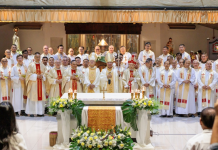
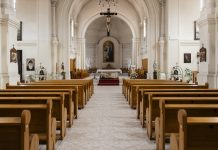
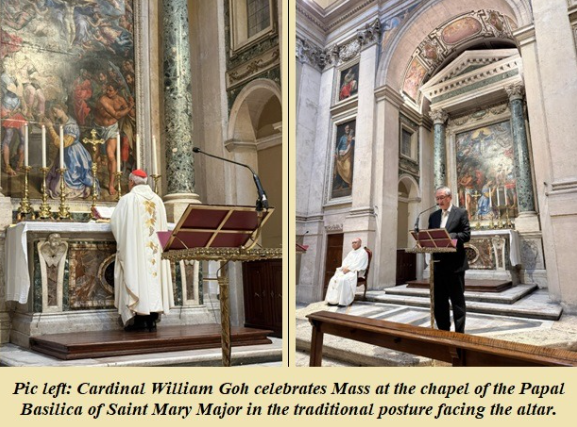
Before sunrise had fully illuminated the Eternal City, the bishops departed the Domus at 6.30am for their morning Eucharistic celebration at the Papal Basilica of Saint Mary Major — one of the four major basilicas where ad limina bishops are required to celebrate Mass during their visit.
Though it was a Saturday morning and the Roman streets were noticeably calmer, the 4.5-kilometre journey still took nearly 15 minutes as the delegation wound its way through the city traffic towards one of the oldest and most beloved Marian basilicas in Christendom.
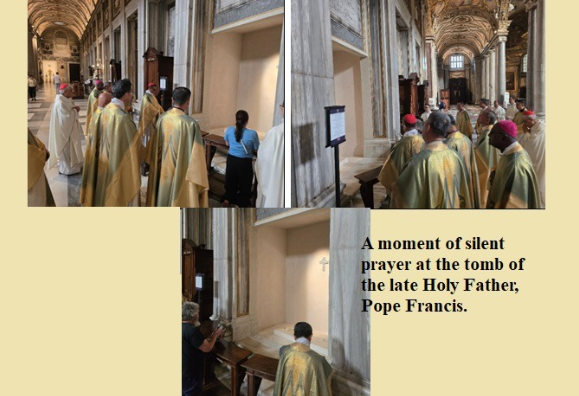
Yet Saint Mary Major now carries an even deeper significance for pilgrims around the world. It is here that the late Holy Father, Pope Francis, was laid to rest following his passing in April 2025. True to the simplicity that marked his pontificate, his tomb reflects the humility he consistently embodied throughout his life and ministry — modest and unadorned, lacking the elaborate grandeur often associated with papal tombs such as those of St Peter or St Paul.
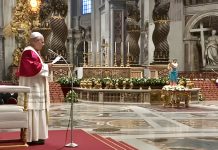
Within the basilica’s sacred atmosphere, Cardinal William presided over the Eucharistic celebration. In his homily, he expressed heartfelt gratitude for the fraternity and brotherhood he had experienced throughout the six-day pilgrimage with the bishops of Malaysia and the diocesan administrator of Brunei.
He offered special thanks to the priest delegate for the ad limina visit, Fr Andrew Khoo, as well as Executive Secretary Richard Chia, for ensuring the smooth coordination and flow of the demanding schedule.
Cardinal William also shared that he would be the first among the delegation to depart Rome later that Saturday evening. However, his return to the Vatican would not be far off, as he had been called back for the Extraordinary Consistory of the College of Cardinals convened by Pope Leo XIV on June 26 and 27, 2026.
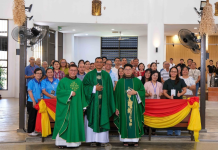
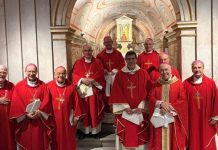
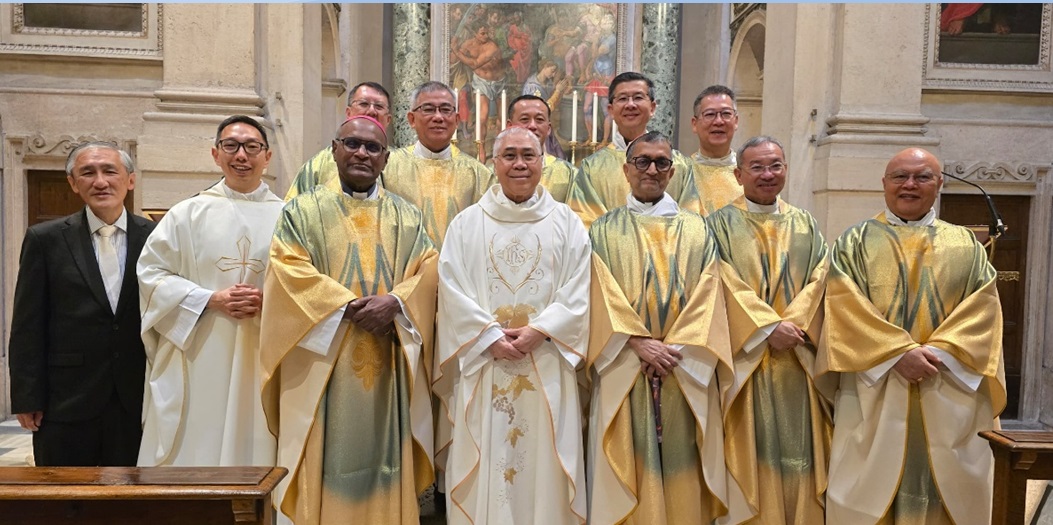
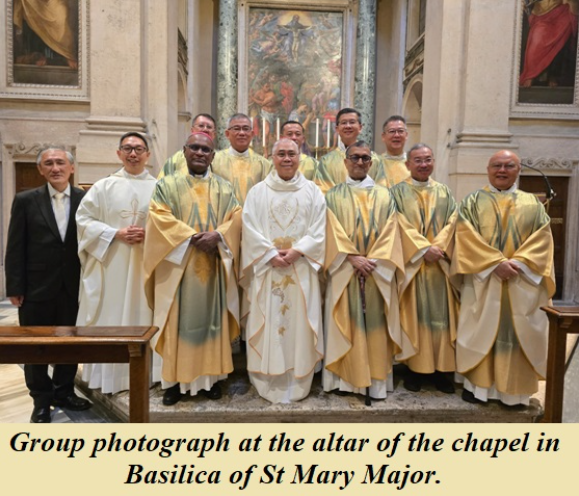
After the Mass, the bishops gathered briefly for a group photograph before quietly making their way towards the tomb of Pope Francis. In silence and prayer, they stood before the resting place of the late Holy Father, offering prayers for the shepherd who had guided the universal Church with humility, compassion, and simplicity.
Meeting with the Supreme Tribunal of the Apostolic Signatura
After a quick breakfast at a nearby café, the bishops gathered once more and set off for what would be their final official meeting of the ad limina apostolorum visit. Though the pilgrimage was nearing its conclusion, the significance of the final appointment was not lost on anyone.
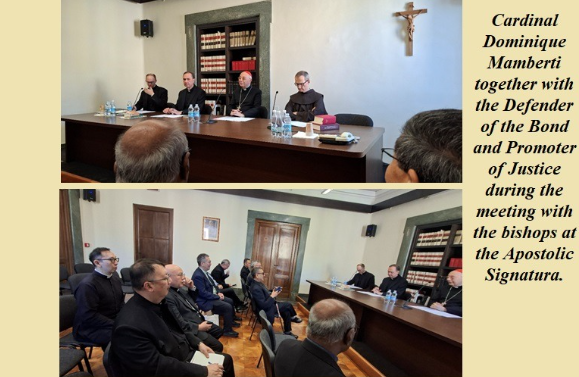
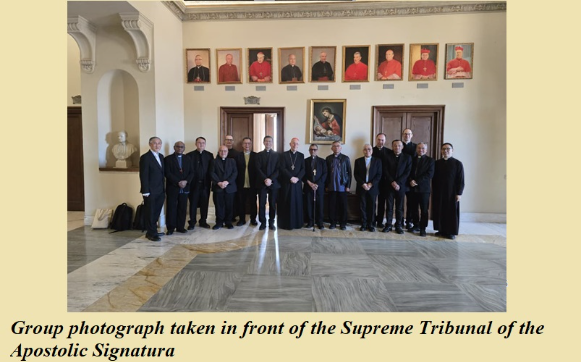
Their destination was the office of the Supreme Tribunal of the Apostolic Signatura — the highest judicial authority in the Catholic Church after the Pope himself.
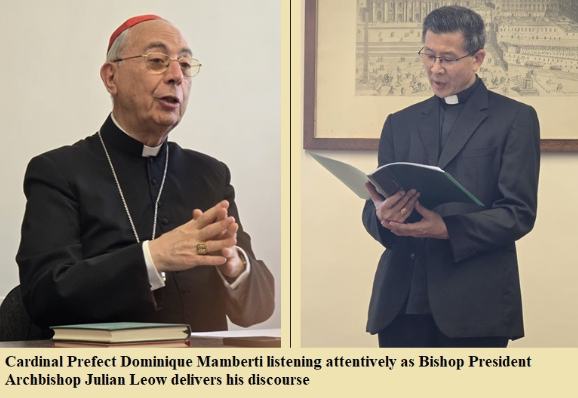
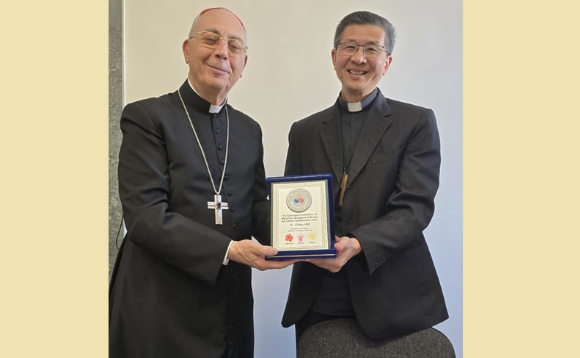
Often described as the Church’s Supreme Court, the Apostolic Signatura serves as the guardian of justice within the life of the Church, ensuring that canon law is properly administered and upheld. Beyond handling judicial appeals and administrative disputes, the tribunal plays a vital role in safeguarding fairness, order, and accountability across the universal Church.The institution itself reflects the global nature of the Church. Composed of Cardinals, bishops, and priests appointed by the Roman Pontiff for five-year terms, the tribunal carries the delicate responsibility of balancing justice with the pastoral mission of the Church.Welcoming the bishops was the Prefect of the Apostolic Signatura, Cardinal Dominique Mamberti, assisted by the Secretary, Monsignor Andrea Ripa. As the delegation entered the offices for their final ad limina meeting, there was a quiet awareness that the intense week of encounters, reflections, discussions, and moments of fraternity was gradually drawing to an end.
From dicasteries overseeing evangelisation and doctrine to offices safeguarding justice and protecting the vulnerable, the bishops had spent the week encountering the many faces of the universal Church — a Church at once ancient, global, pastoral, and deeply human.
Visit to the L’Opera Della Chiesa community
With the completion of their seventeenth and final meeting of the ad limina apostolorum visit, a collective sigh of relief could almost be felt among the bishops. The demanding week of schedules, official encounters, and back-to-back appointments had finally come to an end.
There was a visible mixture of exhaustion and quiet joy on their faces. Despite the intensity of the programme and the often narrow gap between meetings across various Vatican offices, everything had unfolded smoothly and with remarkable precision.
Yet the day was not entirely over.
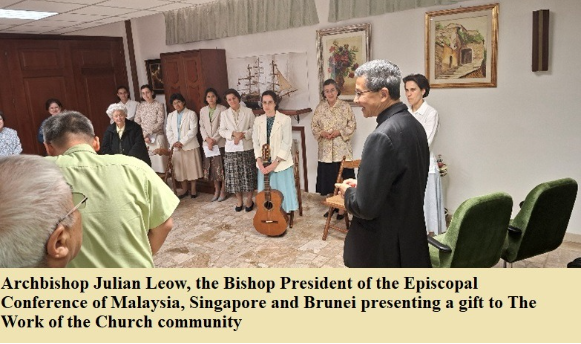
Their final agenda was a visit to the community of L’Opera Della Chiesa — “The Work of the Church” — the group that had generously provided transportation and logistical assistance to the bishops throughout the entire week in Rome.Beyond the buses and carefully coordinated journeys, however, lay a much deeper spiritual story.
The Work of the Church was founded by Mother Trinidad de la Santa Madre Iglesia, born in Seville, Spain, in 1929. Deeply devoted to the Eucharist, she spent countless hours in prayer before the Blessed Sacrament. Then, on Pentecost in 1963, she experienced what she believed was a profound invitation from the Lord Himself: “Make me The Work of the Church.”
From that spiritual call emerged a community dedicated to serving the Church through prayer, formation, mission, and accompaniment.
Today, the community comprises consecrated priests, consecrated men and women, as well as lay faithful — both men and women — all sharing in the same mission and spirituality. In addition to assisting ad limina bishops from around the world, they also conduct retreats, provide faith formation, and undertake missionary outreach.
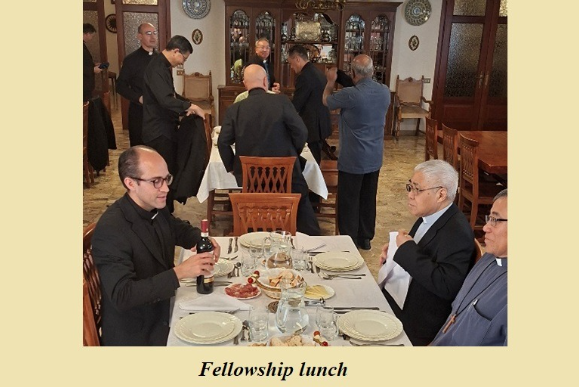
For the bishops, the visit became more than simply a gesture of gratitude for transportation services rendered. It was an encounter with yet another hidden but important face of the Church in Rome — one quietly serving behind the scenes, sustained by prayer, hospitality, and a deep love for the Church.
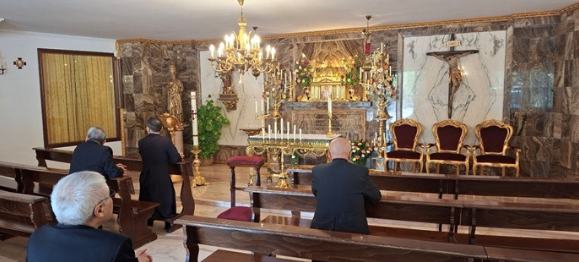
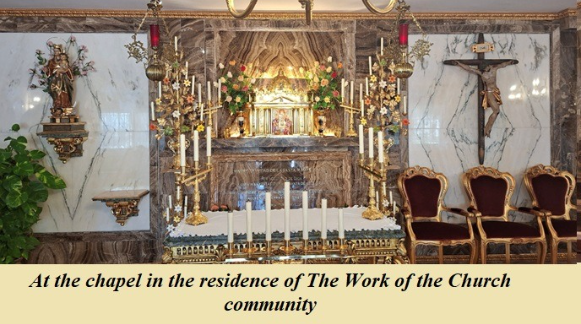
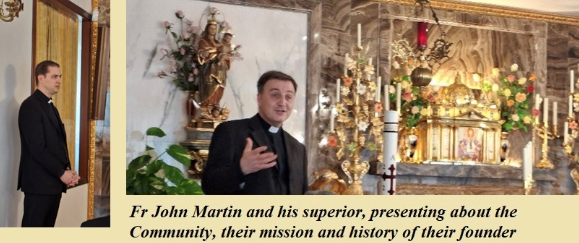
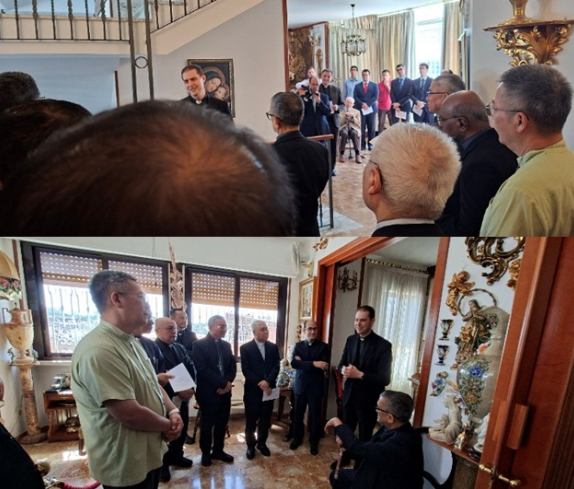
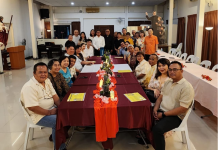
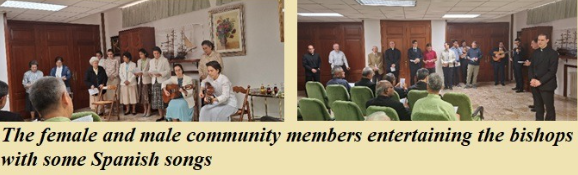
After being warmly guided through the house and introduced to the life and mission of the community, the bishops were invited to a simple yet heartfelt gathering. The atmosphere soon came alive with music as the female consecrated members and lay women of the community serenaded the bishops with songs filled with joy and warmth.
Their voices echoed through the house with a spirit of welcome and fraternity, offering a gentle moment of lightness after the intensity of the week’s demanding schedule.
Soon after, the male consecrated members and lay men took their turn, continuing the musical presentation with equal enthusiasm and sincerity. What unfolded was more than mere entertainment — it was an expression of the community’s love for the Church and their gratitude for the bishops’ presence among them.
For the bishops, it became yet another memorable moment of the ad limina apostolorum visit — one marked not by formal meetings or protocols, but by simple human warmth, hospitality, and shared joy in faith.
THE END OF AD LIMINA 2026
Editor’s Note: HERALD Malaysia extends its sincere appreciation to Richard Chia, Executive Secretary of the Catholic Bishops’ Conference of Malaysia, Singapore and Brunei, for generously sharing the daily insights and updates of the ad limina apostolorum visit, as well as for providing photographs throughout the pilgrimage. Special thanks are also extended to Fr Robert Leong and Fr Andrew Khoo for their photographic contributions.