









By Catholic News SG
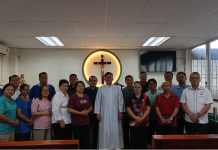
Building communion – and not just creating content – was the focus of this year’s annual meeting of the Episcopal Regional Commission for Social Communications (ERCSC) in Singapore.
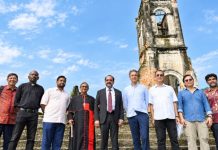
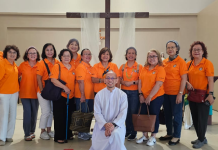
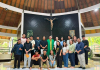
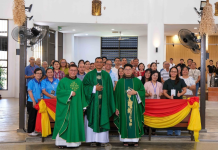
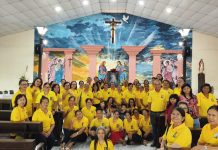
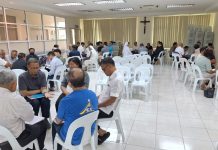
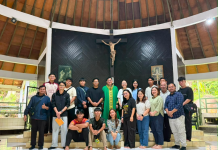
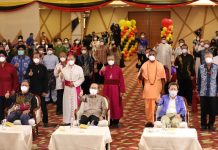
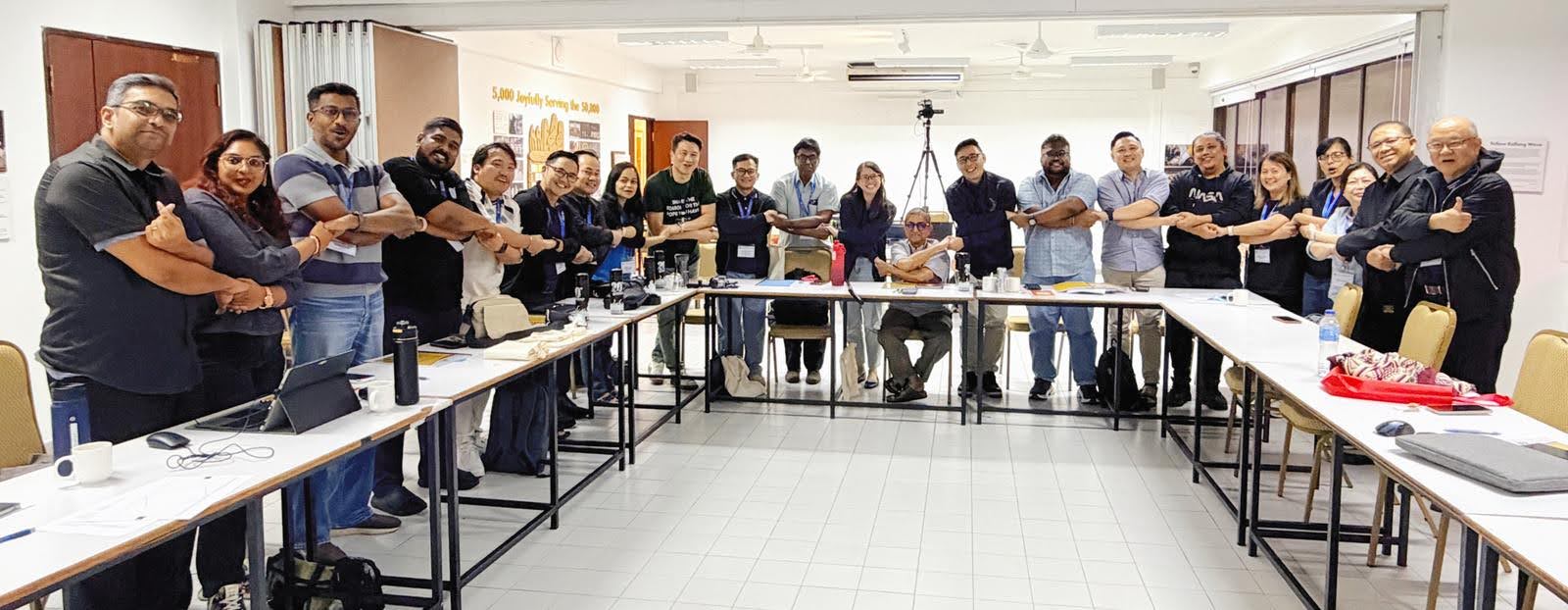
SINGAPORE — From June 15 to 19, the five-day gathering at the St Francis Xavier Retreat Centre in Punggol brought together some 30 diocesan communications directors, Catholic media representatives, and professionals for prayer, formation, planning, and collaboration.
Discussions centred on the opportunities and challenges presented by artificial intelligence (AI), storytelling, parish communications, and regional cooperation, and on how the Church can proclaim the Gospel more effectively in an increasingly digital world.
Going forth
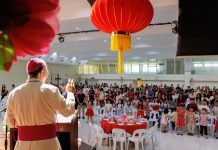
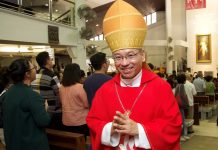
Opening the conference, Cardinal Sebastian Francis, Bishop of Penang and ERCSC President, invited delegates to reflect on the deeper purpose of Church communications, emphasising that the Church communicates not merely to share information but to foster relationships, build trust, and ultimately lead people to Christ.
“The role of Church communications is mission-driven,” Cardinal Francis said. “Authentic communication begins with listening and dialogue, not merely broadcasting messages.”
He distinguished ecclesial communications from corporate communications, explaining that while businesses seek to build their reputation and organisational culture, the Church communicates to bear witness to Christ, strengthen communion, fulfil the Great Commission, and shepherd the faithful in truth.
The Cardinal also reminded delegates that every communicator shares the Church’s missionary mandate to “go forth” and proclaim the Gospel.
Serving human dignity
Artificial intelligence emerged as one of the conference’s major themes.
In his keynote address, Father Terence Kesavan, a formator at the Saint Francis Xavier Major Seminary, encouraged participants to embrace technological innovation with wisdom and discernment.
AI should always remain a tool in the service of the human person and evangelisation, never replacing authentic relationships, pastoral care, or human encounter, he said.
Collaboration
Annual reports from diocesan communications offices, Catholic newspapers, and SIGNIS, the World Catholic Association for Communication, which brings together media professionals, revealed that although local churches operate in different realities, many face similar challenges.
Limited manpower, financial constraints, and rising demands on small communications teams were common concerns. At the same time, delegates recognised that closer collaboration offers opportunities to overcome these limitations by sharing expertise, resources, and content.
Integrated communications
Leading the first of several formation sessions over the week, Mr Daniel Yong, Director of Media Relations for the Archdiocese of Singapore, challenged participants to move beyond producing social media content and instead develop integrated communications ministries that bring together print, digital, and face-to-face communications under a unified pastoral strategy.
Many Church organisations struggle with fragmented messaging, outdated information, and inconsistent communication across platforms, according to Mr Yong.
To address these challenges, he proposed establishing a “single source of truth” through coordinated planning, regular content reviews, and audience-centred messaging.
He also introduced a practical communications framework that begins by clearly defining objectives, identifying target audiences, crafting a core message, selecting appropriate communications channels and measuring outcomes.
Storytelling as evangelisation
The importance of visual storytelling was also highlighted at the conference.
Mr Linus Koh, Founder and Creative Director of Saint Max Story & Media, encouraged delegates to regard storytelling as an essential form of evangelisation rather than merely media production.
Having produced more than 1,000 Catholic videos and pioneered Mass livestreaming in Singapore during the Covid-19 pandemic, Mr Koh urged communicators to “go where the people are” rather than expecting them to come to the Church, and encouraged dioceses to identify, mentor, and empower young people to become missionary storytellers.
Young audiences
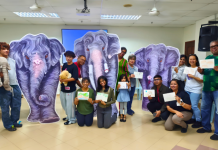
The final formation session featured Singapore’s To Be Honest podcast team, who shared practical insights into engaging younger audiences by understanding the culture and digital habits of young people, particularly on platforms such as TikTok and Instagram, and by daring to experiment with new approaches to evangelisation.
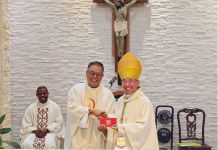
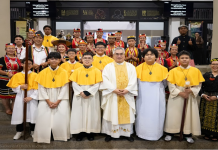
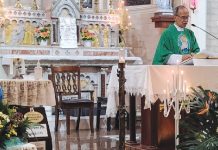
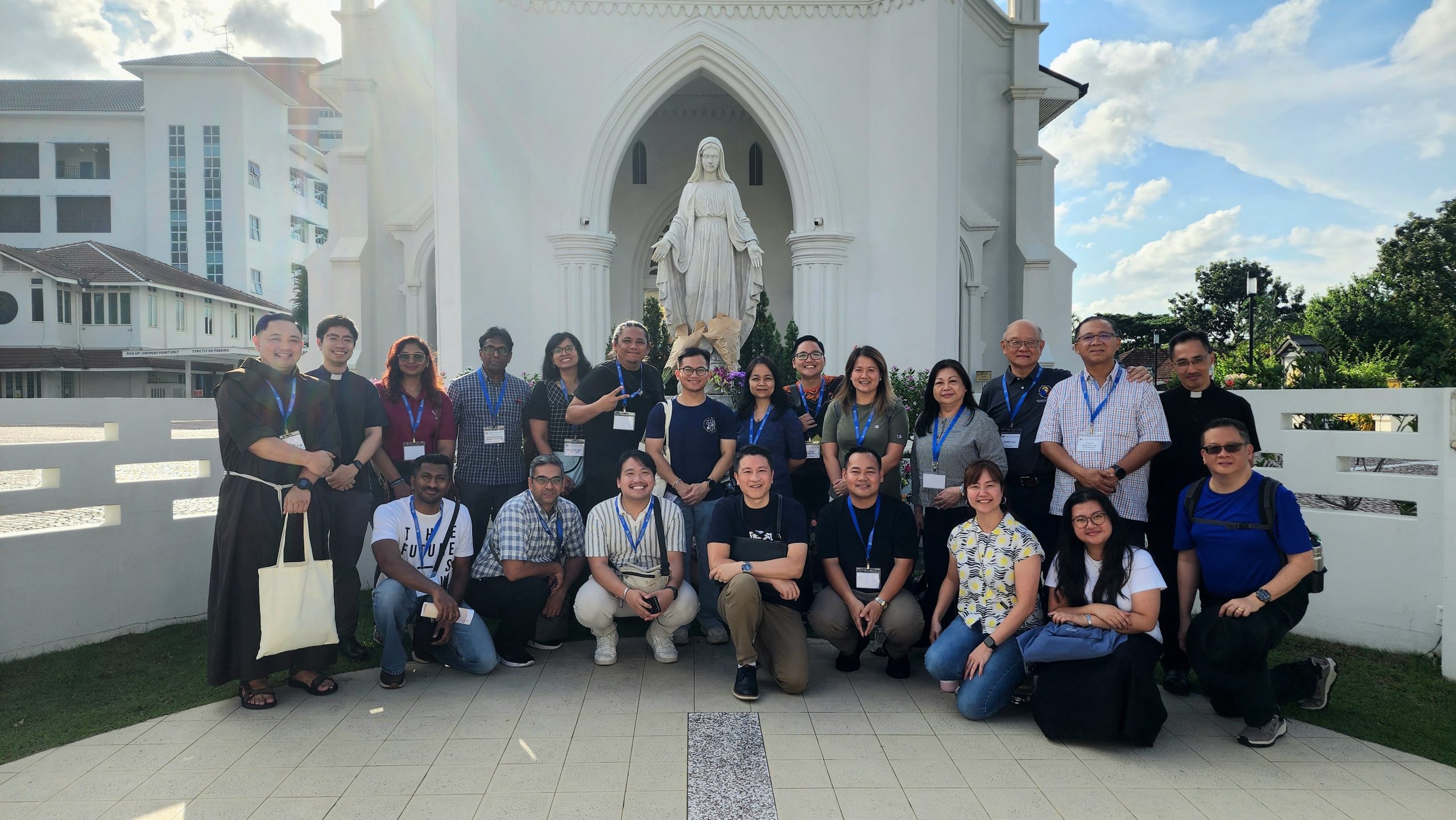
Throughout the week, delegates gathered daily for Mass and visited the Catholic Spirituality Centre, the Church of the Nativity of the Blessed Virgin Mary, and St Joseph’s Church (Victoria Street).
The next ERCSC meeting will be held in Sabah from June 21 to 25, 2027, and hosted by the Diocese of Sandakan.