








By Herald Malaysia
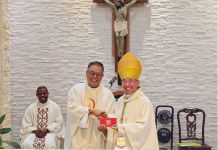
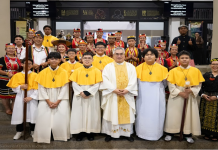
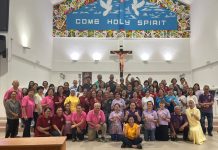
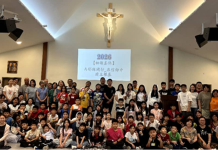
As the bishops of Malaysia, Singapore and Brunei began their ad limina apostolorum visit to Rome from May 18–23, 2026, social media quickly came alive with messages of encouragement, well wishes and prayers from the faithful across the region. Many of the bishops shared that they were deeply moved to know that parishioners, religious communities and clergy were spiritually accompanying them on this important pilgrimage to the heart of the universal Church.
In many parishes, special intentions have been included in the Prayer of the Faithful, while prayer gatherings and Eucharistic celebrations continue to invoke God’s blessings for a safe journey, fruitful encounters and Spirit-led discernment during the ad limina visit.
As HERALD brings readers a rare inside glimpse into this significant ecclesial journey — sharing updates, reflections and moments from behind the scenes of the bishops’ pilgrimage in Rome — we warmly encourage all the People of God to continue keeping these shepherds of the Church in prayer. May their meetings, reflections and communion with the Holy Father and the various dicasteries bear abundant fruit for the Church in our region.
Flight into Rome
In line with standard travel safety procedures, the ad limina delegation of 10 bishops — comprising two cardinals, three archbishops, four bishops and one diocesan administrator — departed for Rome in three separate groups on different flights, with plans for all to arrive at their Domus accommodation by the evening of Sunday, May 17.
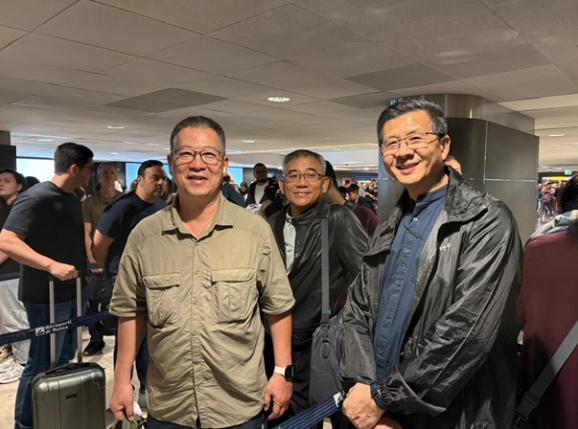
The Sabah contingent was the first to arrive, landing safely just past midnight on Saturday without incident. Another group travelling via Singapore experienced a slight flight delay, while the delegation departing from Kuala Lumpur arrived in Rome about an hour behind schedule and had to endure a lengthy one-and-a-half-hour queue at passport control at Rome’s Fiumicino Airport.
Despite the travel fatigue and delays, spirits remained high as the bishops finally gathered together at their accommodation, warmly greeting one another after journeys from across the region.
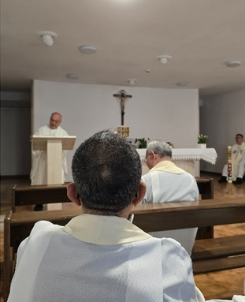
In keeping with true Catholic faith, the bishops celebrated their first day together with the celebration of the Holy Eucharist on Sunday evening at the Domus’ chapel. Bishop Julius Gitom of Sandakan was the main celebrant, assisted by Bishop Richard Ng of Miri.
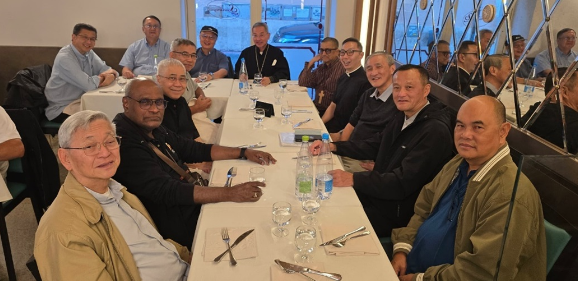
After the Eucharistic celebration, the ad limina delegation gathered for their first formal meal together at a nearby restaurant, joined by Archbishop Emeritus John Ha, Fr Lazarus Swinie and Fr Andrew Khoo.
The dinner was more than simply a meal after a long journey. Amid warm conversation, shared laughter and the joy of reunion, the evening offered the bishops and accompanying clergy an opportunity to unwind, reconnect and strengthen the bonds of fraternity before the official engagements of the ad limina visit began in earnest.
Day 1. Meetings, meetings, meetings
The day began prayerfully with the celebration of the Holy Eucharist at the Archbasilica of Saint John Lateran — the oldest of the four major papal basilicas and the cathedral church of the Diocese of Rome, often referred to as the “Mother Church” of the Catholic world.Transportation for the delegation was graciously arranged by the L’Opera Della Chiesa (The Work of the Church) community, with Fr John Martin and his companion generously providing two seven-seater vehicles to ferry the bishops through the bustling streets of Rome.
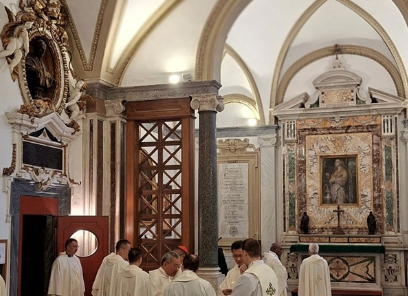
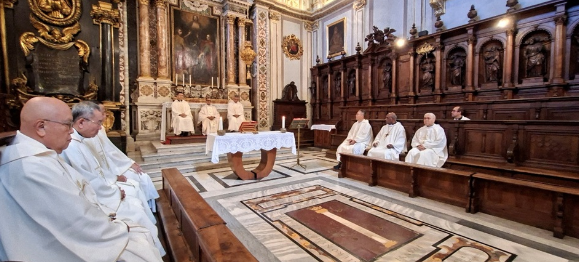
After a quick breakfast back at the Domus, the delegation set out for the first of sixteen scheduled meetings with the dicasteries and pontifical offices of the Roman Curia — a central aspect of the ad limina pilgrimage. Their opening engagement was with the Dicastery for the Causes of Saints, the Vatican office responsible for overseeing the processes of beatification and canonisation.
The dicastery guides bishops through the intricate procedures involved in investigating causes for sainthood, ensuring that each process is conducted rigorously and according to Church norms before being presented to the Roman Pontiff for consideration.
Among the matters discussed was the Diocese of Penang’s preliminary efforts to advance the cause of Ms Sybil Kathigasu, the wartime heroine and nurse who died on June 12, 1948. The diocese is currently compiling documentation and historical material relating to her life and witness, marking an important early step in exploring her possible cause for sainthood.
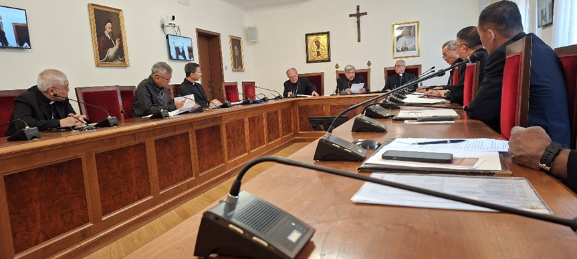
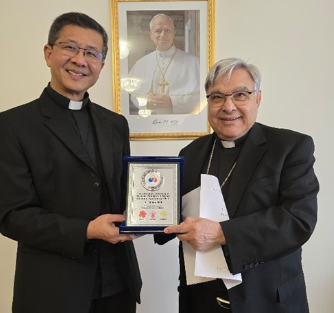
The delegation’s second meeting of the day brought them to the Dicastery for Institutes of Consecrated Life and Societies of Apostolic Life, the Vatican office responsible for matters concerning religious congregations, institutes of consecrated life and societies of apostolic life.
The dicastery is headed by Sr Simona Brambilla of the Consolata Missionaries, who made history as the first woman to lead a department of the Roman Curia — a significant milestone in the evolving life of the Church.
The dicastery’s mission is to promote, encourage and oversee the living of the evangelical counsels — poverty, chastity and obedience — within the recognised forms of consecrated life. It also evaluates and regulates emerging forms of consecrated communities and their formation processes.
Among the key concerns raised during the meeting was the growing challenge of declining vocations to religious and consecrated life across Malaysia, Singapore and Brunei, coupled with the increasing age of many religious serving in the region. The bishops also shared about the positive and collaborative relationship between the episcopal conference and the Conference of Religious Major Superiors (CRMS), highlighting the spirit of mutual support and communion that continues to strengthen the Church’s mission in the region.
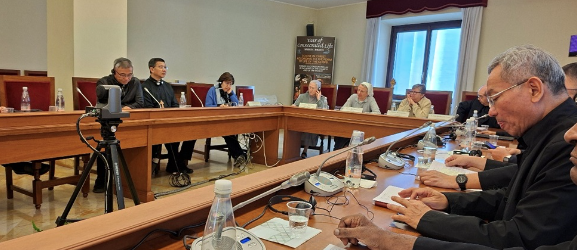
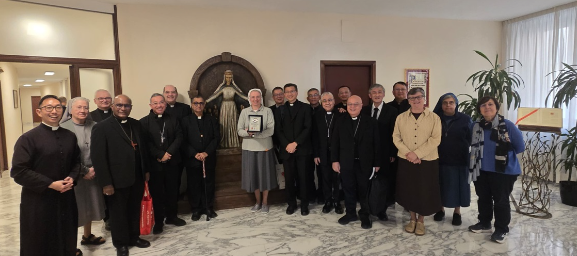
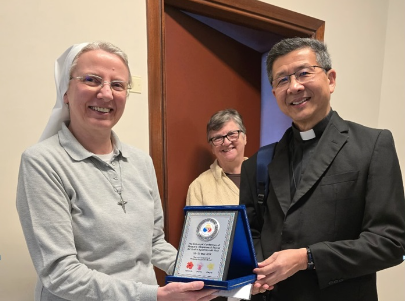
After a short lunch break, the delegation resumed its schedule with the third meeting of the day at the Dicastery for Communication — the Vatican office tasked with overseeing the vast communications network of the Apostolic See.
The dicastery plays a central role in coordinating and unifying the Holy See’s communication efforts, ensuring that the Church’s evangelising mission continues to respond effectively to an ever-changing media landscape shaped by new technologies, digital culture and evolving forms of communication.
Under its umbrella are some of the Vatican’s most recognisable media platforms and services, including Vatican News, the Vatican Television Centre, Vatican Radio, the Holy See Press Office, the Vatican Publishing House, L’Osservatore Romano, and the former Pontifical Council for Social Communications, among others.
One particularly striking aspect shared during the meeting was the dicastery’s remarkable linguistic reach. Through its various media platforms, the Vatican communicates with the universal Church in 57 languages — a powerful reflection of the Catholic Church’s global mission to proclaim the Gospel across cultures, nations and peoples.
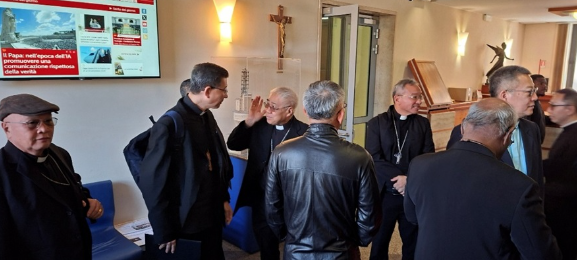
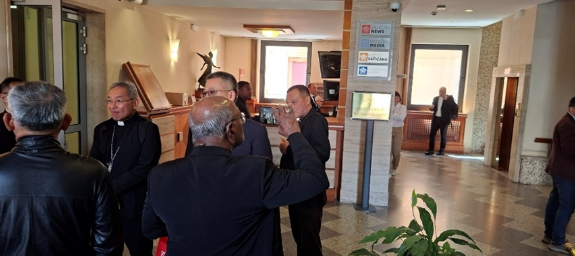
The meeting began with a brief six-to-eight-minute video presentation by the Dicastery for Communication, offering the delegation an overview of its mission, global outreach and the wide range of communication services it provides to the universal Church
During the dialogue session that followed, Cardinal Sebastian Francis, who also serves as president of the Episcopal Regional Commission for Social Communications, highlighted several pressing challenges facing the Church in the region. Among the concerns raised were the rapid rise of artificial intelligence, issues surrounding data protection and privacy, as well as the growing spread of fake news and misinformation in the digital age.
Responding to these concerns, Paolo Ruffini echoed the recent message of Pope Leo XIV that artificial intelligence must remain at the service of humanity, and never the other way around. He encouraged the Church not merely to engage AI at a functional or technical level, but to challenge its use by bringing a distinctly human, ethical and Gospel-centred dimension to communication.
He stressed that the mission of Church communication is not simply about efficiency or technology, but about making a meaningful difference — preserving human dignity, authentic voices and genuine encounter in an increasingly digital world.
As evening descended on the first day of the ad limina programme, the delegation concluded its schedule with a meeting at the Dicastery for Interreligious Dialogue — the Vatican office dedicated to fostering respectful and meaningful relations with followers of non-Christian religions.
The dicastery works to ensure that dialogue with people of other faith traditions is carried out in a spirit of listening, mutual esteem and sincere respect. Through such encounters, it seeks to promote peace, freedom, social justice, care for creation, and the safeguarding of spiritual and moral values for the good of humanity.
During the meeting, Archbishop Julian Leow, who serves as the bishop-president for interreligious dialogue within the episcopal conference, presented an overview of the interfaith landscape in Malaysia, Singapore and Brunei. He shared updates on various initiatives and collaborations taking place in the region, highlighting the importance of dialogue and harmonious coexistence within the multicultural and multireligious fabric of society.
Responding to the presentation, Cardinal George Jacob Koovakad commended the episcopal conference for its ongoing efforts and commitment to interreligious engagement. He also offered reflections and encouragement, inviting the bishops to continue building bridges of understanding and fraternity in a world increasingly marked by division and tension.
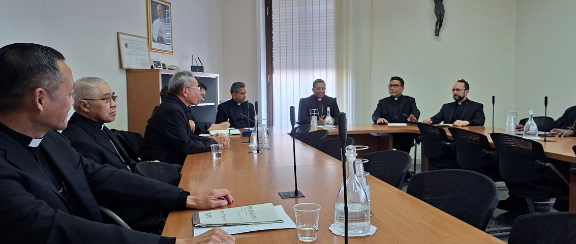
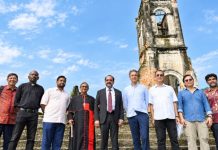
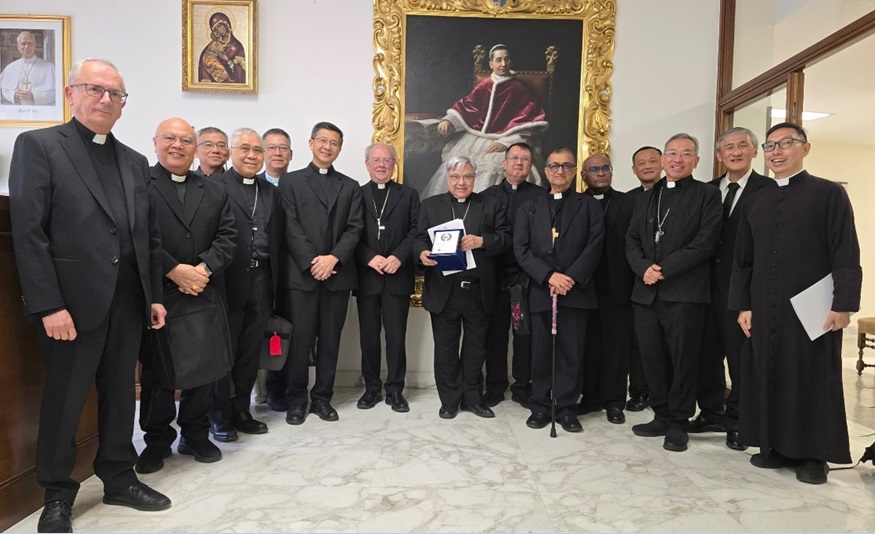
Meeting with the Dicastery for Interreligious Dialogue Prefect Cardinal George Jacob Koovakad, Secretary Mons. Indunil Janakaratne Kodithuwakku K, and Fr Markus Solo, a member of the Dicastery.