










By Herald Malaysia
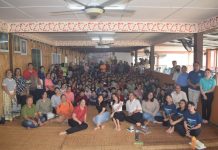
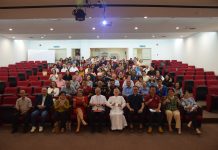
KUALA LUMPUR — Caregivers need rest, understanding and emotional support, and seeking help should never be seen as a sign of weakness. This was the central message of a programme organised jointly by the Archdiocesan Mental Health Ministry (AMHM) and the Malaysia Mind Body Medicine Practitioners Association (MBMPA).
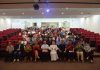
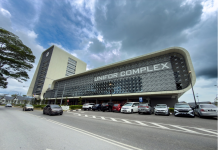
Held in conjunction with World Mental Health Day under the theme Care for the Caregivers, the programme was hosted and supported by MAHSA Avenue International College at its campus.
The initiative focused on the emotional, psychological and physical needs of caregivers, whose well-being can be overlooked as attention centres on those receiving care. It complemented the 2026 global theme, Lived Experiences Heard: Real Voices, Real Change, which emphasised listening to people with lived experience of mental health conditions.
In his opening address, Fr Philip Chua, AMHM’s ecclesiastical assistant and a licensed and registered counsellor, stressed the importance of protecting caregivers’ mental health, practising self-care and preventing burnout.
The opening ceremony also featured a recorded message from Archbishop Julian Leow, a sharing by Dato’ Sri Dr Steve Yap and a welcome address by the college’s principal, Tun An Gie.
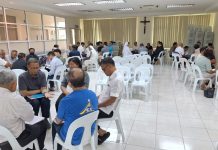
In the plenary session, Dr Leila Nair explored how caregivers can recognise their emotional needs and extend to themselves the compassion they offer others. Drawing on the Five Love Languages, she shared practical approaches to managing stress and maintaining emotional balance.
Her message was clear: self-care is essential to sustaining the ability to care for others.
Personal testimonies brought these concerns into sharper focus. Francis Yip shared his experience of caring for his late mother and subsequently his 91-year-old father, whom he brought from Penang to Kuala Lumpur to care for personally.
Reflecting on filial piety, he described the sacrifices and challenges of caregiving, alongside the love, resilience and sense of purpose it can bring.
Goh Jay Vin of MBMPA introduced breathing, relaxation and sensory techniques for managing stress. Drawing on his own caregiving experience, he reminded participants that feeling tired, frustrated or stressed does not make someone a bad caregiver.
Dr Thayalani Gomez offered another perspective in her session, A Caregiver’s 360 Journey Through Disorders and Disabilities. Sharing her experience of raising her son, who has autism, she spoke about the challenges faced by families caring for people with additional needs and the perseverance and adaptability this requires.
Her account underscored the importance of ensuring that caregivers receive encouragement and practical assistance throughout their journey.
AMHM staff and volunteer counsellors also conducted mental health screenings. Participants whose results indicated elevated anxiety or depressive symptoms were referred for further professional assessment and counselling where appropriate.
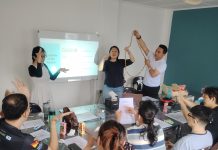
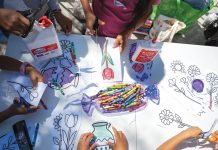
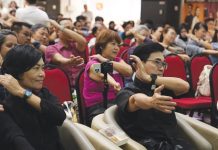
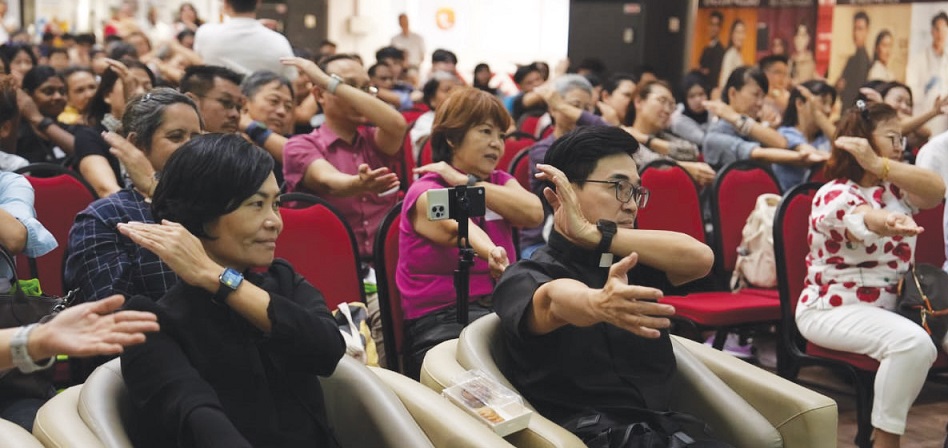
Interactive activities included posture screening, expressive art, laughter fitness, OH Cards activities and hypnotherapy, giving participants opportunities to explore approaches to self-awareness and well-being.
In her closing remarks, MBMPA president Dr Madelene Ong thanked the speakers, participants, organisers, volunteers and supporting partners. She encouraged continued efforts to build a culture of compassion, understanding and mutual support.
Through professional insights, personal testimonies and opportunities for connection, the programme reinforced that caring for caregivers is a shared responsibility. Sustaining their well-being requires both attention to their own needs and dependable support from those around them.